


Construction projects rarely require just one product, one size, or one configuration. A single order may include multiple types of Welded Wire Reinforcement, straight and cut wire, pencil rod, tie wire, fabricated products, and/or other steel wire products for different phases of the project.
When those materials arrive through separate shipments, logistics can quickly become more complicated. Purchasing teams must coordinate multiple deliveries; receiving crews have more trucks to unload, and project managers face a greater risk of delays or incomplete orders.
Mixed-load deliveries offer a more efficient approach. By combining different products or specifications into one coordinated shipment, customers can simplify procurement, improve material planning, and keep work moving.
What Is a Mixed-Load Delivery?
A mixed-load delivery combines multiple products, sizes, or configurations within the same shipment. Instead of arranging one delivery for each type of material, customers can receive several items together based on their purchasing or project requirements.
For example, a mixed load may include different Welded Wire Reinforcement sheet sizes, types, wire diameters, and/or additional steel wire products. It may be a truckload of box culvert or accucage mixed with some BBW or Pipe Mesh Fabric. Or it can be a Load of SSTR’s mixed with some Weld Pins. The exact combination depends on product availability, order requirements, transportation limits, and delivery planning.
This flexibility can be especially valuable for distributors, precast manufacturers, contractors, and industrial buyers that regularly need multiple products but want to avoid managing separate shipments.
Fewer Deliveries, Simpler Logistics
Every delivery requires coordination. Someone must confirm the order, schedule transportation, prepare the receiving area, unload the truck, inspect the materials, and update inventory records.
When products arrive separately, those tasks are repeated each time. Mixed-load delivery can reduce the number of shipments associated with an order, giving procurement and operations teams fewer moving parts to manage.
This can help streamline:
- Delivery scheduling
- Freight coordination
- Receiving procedures
- Material inspections
- Inventory documentation
- Internal communication
A more organized delivery process also makes it easier for teams to confirm that the right products have arrived and determine where each item should be stored or used.
Better Use of Transportation Capacity
Freight is an important consideration when sourcing reinforcement and steel wire products. Ordering several smaller shipments may leave transportation capacity underused while increasing the number of deliveries required.
Mixed loads can help customers consolidate their needs and make better use of available truck capacity. Rather than treating every product as a separate transportation requirement, buyers can plan compatible materials as part of a coordinated order.
Actual freight efficiency depends on factors such as product dimensions, weight, handling requirements, destination, and order timing. Even so, discussing mixed-load options early can help buyers identify a more practical shipping plan.
Improved Inventory Planning
Buying large quantities of a single product may help fill a truck, but it can also create excess inventory. Materials that aren’t needed immediately take up storage space and tie up purchasing budgets.
Mixed-load delivery gives buyers an opportunity to order a combination of products that more closely reflects current demand. A distributor might replenish several popular specifications in one shipment. A precast manufacturer could coordinate materials for different production runs. A contractor may receive reinforcement products needed across multiple parts of a project.
This approach can help businesses balance transportation efficiency with actual material requirements.
Support for Changing Project Needs
Construction schedules can change quickly. Production priorities may shift; specifications may be updated, or one phase of a project may progress faster than expected.
Working with a supplier that can coordinate different products within a single load gives purchasing teams more flexibility when planning upcoming needs. It can also reduce the administrative burden of creating, tracking, and receiving several independent orders.
Mixed-load capabilities do not eliminate the need for accurate forecasting. They do, however, give buyers another option for responding to changing requirements while keeping material flow organized.
More Efficient Receiving and Handling
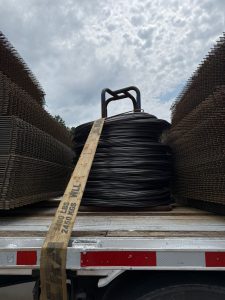 Truck arrivals affect more than procurement. Each shipment can require coordination among drivers, warehouse personnel, equipment operators, safety teams, and project supervisors.
Consolidating compatible materials into fewer deliveries can help reduce interruptions at the plant, warehouse, or job-site. Receiving teams can plan labor and equipment around a more coordinated schedule instead of preparing for several separate arrivals.
Clear load documentation and product identification are also essential. When multiple products travel together, organized loading and accurate paperwork help receiving teams verify quantities and route materials to the correct storage or production areas.
Stronger Coordination Across the Supply Chain
The value of a mixed load begins before the truck is loaded. It requires communication between the customer, sales team, production team, and logistics teams.
Customers should be prepared to discuss:
- The products and specifications required
- Quantities for each item
- Preferred delivery dates
- Unloading capabilities
- Storage limitations
- Project or production priorities
- Any site-specific delivery requirements
Sharing this information early helps the supplier evaluate available options and develop a delivery plan that supports the customer’s operation.
Who Can Benefit from Mixed Loads?
Mixed-load deliveries can support several types of Companies, including:
Distributors
Distributors often need to replenish multiple products without overstocking one specification. Mixed loads can help maintain a broader inventory while consolidating transportation.
Precast Manufacturers
Precast operations may require different reinforcement configurations for several products or production schedules. Coordinated deliveries can help keep the necessary materials available without creating unnecessary receiving activity.
Contractors
Projects with multiple concrete applications may need different reinforcement products throughout the construction schedule. Combining compatible products can simplify delivery coordination and material handling for DOT’s, General Contractors, Sub-Contractors, Placers, Reinforcement Companies, Engineering Firms, and many other types of Customers in the Construction Sector
Manufacturers, Fabricators, and Industrial Companies
Manufacturers and other industrial customers may use several types of steel wire products across their operations. Mixed loads can help align deliveries with production needs and available storage space.
Questions to Ask Before Planning a Mixed Load
Mixed-load delivery is not a one-size-fits-all solution. Before placing an order, buyers should speak with their supplier about the practical details.
Useful questions include:
- Which products can be shipped together?
- Are there minimum quantities or weight requirements?
- How will the materials be organized and identified?
- What lead times apply to each product?
- Are there loading or unloading restrictions?
- Could combining the products affect the delivery schedule?
- What information is needed to provide an accurate quote?
These questions help buyers determine whether a mixed load is appropriate for their order and avoid surprises during delivery.
Efficiency Starts with Better Planning
Improving efficiency is not limited to production or installation. It also means examining how materials are purchased, transported, received, and stored.
Mixed-load deliveries can help reduce shipment complexity, support more practical inventory decisions, and improve coordination across purchasing, logistics, and operations. The greatest value comes from planning early and working with a supplier that understands the products, transportation requirements, and demands of large-scale operations.
National Wire works with customers to evaluate their steel wire and Welded Wire Reinforcement requirements and coordinate delivery options based on order needs. Contact our team to discuss your product specifications, quantities, and delivery schedule.