


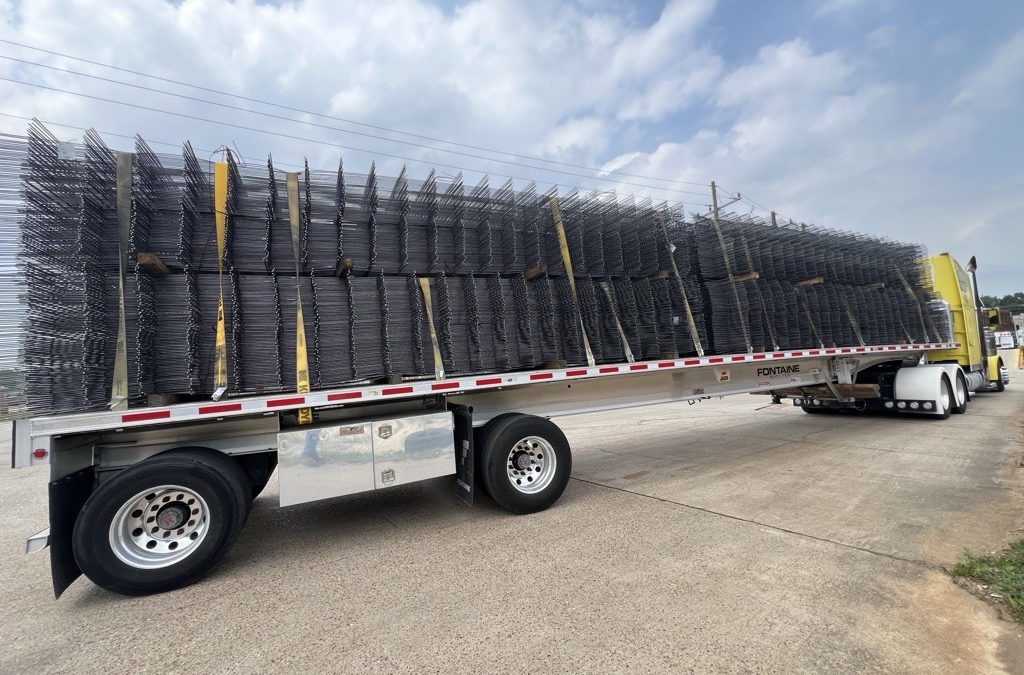
Large construction projects depend on careful timing. Crews, equipment, materials, and installation schedules must stay coordinated across multiple phases. When reinforcement arrives too early, it can take up valuable space and create unnecessary handling. When it arrives too late, work can slow down while crews wait for the materials they need.
Just-in-time delivery helps address both challenges. By coordinating welded wire reinforcement deliveries with a project’s production or installation schedule, contractors and manufacturers can receive the right material closer to when it will be used.
For large projects, this approach can improve material flow, reduce jobsite congestion, and help teams maintain steady progress.
What Is Just-in-Time Delivery?
Just-in-time delivery is a logistics approach in which materials are scheduled to arrive based on when they are needed. Instead of delivering the entire order at once, the supplier and customer coordinate shipments around specific project phases, production runs, or installation dates.
For welded wire reinforcement, this may mean dividing a large order into several planned deliveries or releases. Each shipment can contain the WWR sizes, configurations, and quantities required for the next stage of work.
The goal is not simply to deliver material at the last possible moment. Effective just-in-time delivery requires clear communication, realistic lead times, and a schedule that accounts for production, transportation, unloading, and installation.
Why Delivery Timing Matters on Large Projects
Large projects often involve limited storage space, multiple trades, and changing site conditions. A full shipment of reinforcement may include a substantial volume of material, especially when the project requires different WWR configurations.
Receiving all that material too early can create several operational challenges:
- Reinforcement may occupy space needed for equipment, vehicles, or other materials.
- Crews may need to move the same material multiple times before installation, and/or may need to reserve crane time on the site
- Products may be harder to organize by project phase or placement area.
- Unnecessary handling can increase the risk of damage or material confusion.
- Site access may become more difficult for upcoming deliveries.
A coordinated delivery schedule helps keep the amount of material on-site more manageable. It also gives crews better visibility into what has arrived and what should be used next.
Key Benefits of Just-in-Time WWR Deliveries
Better Use of Jobsite Space
Space is often limited on active construction sites. Storing large quantities of welded wire reinforcement can interfere with staging areas, traffic routes, and equipment movement.
Scheduled deliveries allow teams to receive material in more practical quantities. This helps preserve space for the work currently underway and reduces the need to create long-term storage areas.
Less Material Handling
Every time reinforcement is unloaded, relocated, sorted, and moved again, labor and equipment are required. Repeated handling can also make it harder to maintain an organized material flow.
When WWR arrives closer to its intended use date, crews may be able to move it more directly from the delivery area to staging or installation. This can reduce unnecessary movement and help teams use their time more efficiently. This can also reduce the chance of it getting damaged by handling it more times than needed.
Improved Coordination Between Project Phases
Large projects rarely use the same reinforcement configuration from beginning to end. Different areas may require specific wire sizes, spacings, sheet dimensions, or engineered reinforcement designs.
Phased deliveries can be aligned with these requirements. Instead of searching through a large order for the material needed next, crews can receive shipments organized around upcoming work.
This is especially useful for infrastructure, precast, and large commercial projects with repetitive production cycles or carefully sequenced placements.
More Predictable Material Flow
Reliable scheduling helps project teams plan labor, equipment, and unloading resources. When delivery expectations are clear, managers can prepare the appropriate space and personnel before the truck arrives.
Predictability also supports communication across purchasing, production, logistics, and field teams. Everyone has a clearer understanding of what is coming, when it is expected, and where it will be used.
Reduced On-Site Inventory
Keeping only the necessary amount of reinforcement on-site can simplify inventory management. Teams have fewer materials to count, organize, and protect at any given time.
This does not eliminate the need for accurate tracking. It makes tracking more manageable by connecting each delivery to a defined phase or quantity of work.
What Makes a Just-in-Time Delivery Plan Effective?
A successful delivery strategy begins well before the first shipment leaves the manufacturing facility. The supplier and customer need a shared understanding of the project requirements, production timeline, and site conditions.
Several factors should be discussed during planning:
Project Schedule
The supplier needs visibility into expected production or installation dates. This makes it possible to develop a delivery or release sequence that supports the project without creating unrealistic transportation or manufacturing expectations.
Material Specifications
Each shipment should be tied to accurate WWR specifications, quantities, and project phases. Clear documentation helps prevent confusion during production, loading, unloading, and installation.
Site Access
Delivery planning should account for gate restrictions, road conditions, unloading areas, truck requirements, operating hours, and available equipment. These details can affect both delivery timing and load configuration.
Lead Times
Just-in-time delivery still requires advance planning. Production capacity, raw material availability, transportation schedules, and order complexity can all influence lead times.
Customers should communicate expected needs as early as possible, even if individual delivery dates will be confirmed later.
Schedule Changes
Construction schedules can shift because of weather, inspections, labor availability, delays in other phases of work, and/or various other reasons. A strong delivery plan should include a clear process for communicating changes.
Early notice gives the manufacturer and logistics team more time to adjust production or transportation plans when possible.
Just-in-Time Does Not Mean No Contingency Plan
Precise scheduling can improve efficiency, but large projects also need flexibility. Transportation delays, severe weather, changes in site access, or unexpected production demands can affect even a carefully planned delivery.
The right strategy depends on the project. Some teams may benefit from maintaining a limited buffer of critical reinforcement, while others may have enough schedule flexibility to receive materials in smaller phases.
The important point is to balance inventory efficiency with operational risk. A knowledgeable WWR supplier can help customers evaluate delivery frequency, shipment size, and lead time expectations based on the project’s requirements.
The Supplier’s Role in Delivery Coordination
Just-in-time delivery requires more than transportation. It depends on coordination between manufacturing, order management, loading, and logistics.
An experienced welded wire reinforcement supplier should be able to:
- Review project specifications and quantities
- Coordinate production with requested delivery windows
- Organize shipments by phase, releases, and/or material sequence requirement
- Communicate lead times and potential scheduling constraints
- Provide clear documentation for each load
- Respond promptly when project conditions change
Consistent communication is especially important. Customers should know who to contact, what information is needed, and when delivery dates must be confirmed.
Planning WWR Deliveries with National Wire
At National Wire, we understand that delivering welded wire reinforcement is not only about moving material from one location to another. The timing, organization, and consistency of each shipment can influence how efficiently a project moves forward.
Our team works with customers to understand project requirements, anticipated schedules, and delivery priorities. Whether the order includes standard mesh, engineered welded wire reinforcement, or multiple product specifications, thoughtful coordination can help simplify material flow across each phase.
Large projects require suppliers that can plan ahead, communicate clearly, and be resourceful to be able to support changing field or production needs. With the right delivery strategy, welded wire reinforcement can arrive in practical quantities, in the correct sequence, and closer to when crews are ready to use it.
Build a Delivery Plan Around Your Project
A well-planned reinforcement delivery schedule can help reduce jobsite congestion, limit unnecessary handling, and support consistent progress. The earlier delivery requirements are discussed; the more effectively production and logistics can be coordinated.
Contact National Wire to discuss your welded wire reinforcement specifications, project schedule, and delivery needs.